

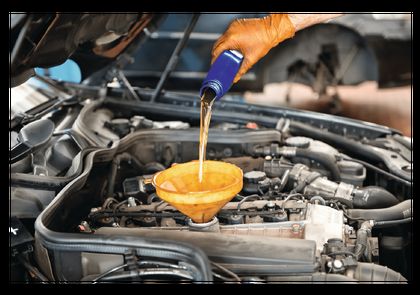
Unlocking Engine Longevity: The Importance of Regular Oil Changes for Your Car
Unlocking Engine Longevity: The Importance of Regular Oil Changes for Your Car
Introduction:
In the intricate dance of car maintenance, one chore stands out as a fundamental necessity: regular oil changes. As the lifeblood of your engine, oil plays a crucial role in ensuring optimal performance and longevity for your vehicle. In this blog post, we'll delve into the significance of regular oil changes, the profound impact on engine health, and the numerous benefits that come with maintaining a consistent oil change schedule.
The Heartbeat of Your Engine: Understanding the Role of Oil
Your car's engine is a marvel of engineering, comprising numerous moving parts working in unison. Within this intricate system, oil acts as a lubricant, preventing friction and reducing wear and tear on vital components. Over time, however, oil breaks down, losing its viscosity and effectiveness. Regular oil changes ensure a fresh supply of clean, high-quality oil, allowing your engine to operate smoothly and efficiently.
The Impact on Engine Performance
1. Enhanced Lubrication: Regular oil changes provide the lubrication necessary to minimize friction between moving parts, reducing heat and wear.
2. Temperature Regulation: Fresh oil helps regulate engine temperature by dissipating heat generated during combustion, preventing overheating and potential damage.
3. Improved Fuel Efficiency: A well-lubricated engine operates more efficiently, translating into better fuel economy and cost savings at the pump.
Benefits of Maintaining a Consistent Oil Change Schedule
1. Prolonged Engine Life: Routine oil changes contribute to the longevity of your engine, preventing premature wear and extending its overall lifespan.
2. Reduced Repair Costs: Investing in regular oil changes is a small price to pay compared to the potential cost of major engine repairs resulting from neglect.
3. Optimal Performance: A well-maintained engine performs at its peak, delivering the power and responsiveness you expect from your vehicle.
4. Environmental Impact: Clean oil reduces harmful emissions, contributing to a greener and more eco-friendly driving experience.
Establishing a Routine: When to Change Your Oil
The frequency of oil changes depends on various factors, including your vehicle's make and model, driving conditions, and the type of oil used. As a general guideline, most experts recommend changing your oil every 3,000 to 5,000 miles. However, always refer to your vehicle's owner's manual for manufacturer-specific recommendations.
Conclusion
In the grand symphony of car maintenance, the simple act of changing your oil plays a starring role in ensuring your engine's health and longevity. By prioritizing regular oil changes, you not only safeguard your investment but also enjoy the peace of mind that comes with a smoothly running vehicle. Don't underestimate the power of this routine maintenance task – it's the key to unlocking a long and healthy life for your car's engine. If you have any further questions or need to book your car in for an oil change, then call the team on 01788 565243. or book in online.