

When Does My Wet Belt Need Changing?
When Does My Wet Belt Need Changing?
If you drive a modern car with a small petrol engine, there’s a good chance it uses a wet belt instead of a traditional timing belt. While they offer quieter and more efficient performance, wet belts also require regular maintenance—and knowing when to change yours can save you from serious engine damage.
Let’s explore what a wet belt is, why it matters, and when it needs to be replaced.
What is a Wet Belt?
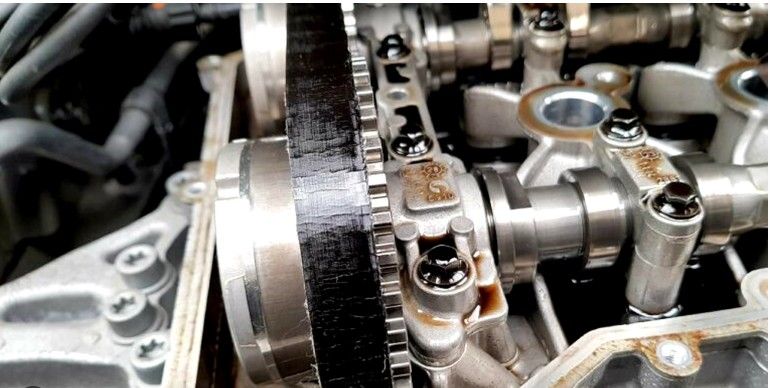
A wet belt (also known as a “belt-in-oil”) is a type of timing belt that runs inside the engine, lubricated by engine oil. Unlike dry timing belts, which are exposed and operate outside the engine casing, wet belts are immersed in oil to reduce friction, improve durability, and help engines run more smoothly and quietly.
Wet belts are commonly found in small, fuel-efficient petrol engines from manufacturers like Ford, Peugeot, Citroën, and Vauxhall. Ford’s EcoBoost engines, for example, use wet belts in many of their models.
When Does It Need Changing?
Here’s the catch: while wet belts are designed to last longer than traditional belts, they still wear out—and because they’re inside the engine, their condition can be harder to check.
Manufacturer Recommendations
Each car is different, and wet belt replacement intervals can vary significantly between makes and models. Some manufacturers recommend changing the wet belt as early as 6 years or 64,000 miles, while others suggest waiting up to 10 years or 100,000 miles.
Because of this variation, we always recommend contacting us with your vehicle registration and current mileage. Our team can then check your specific manufacturer guidelines and let you know exactly when your wet belt needs replacing.
Signs Your Wet Belt May Need Replacing Sooner
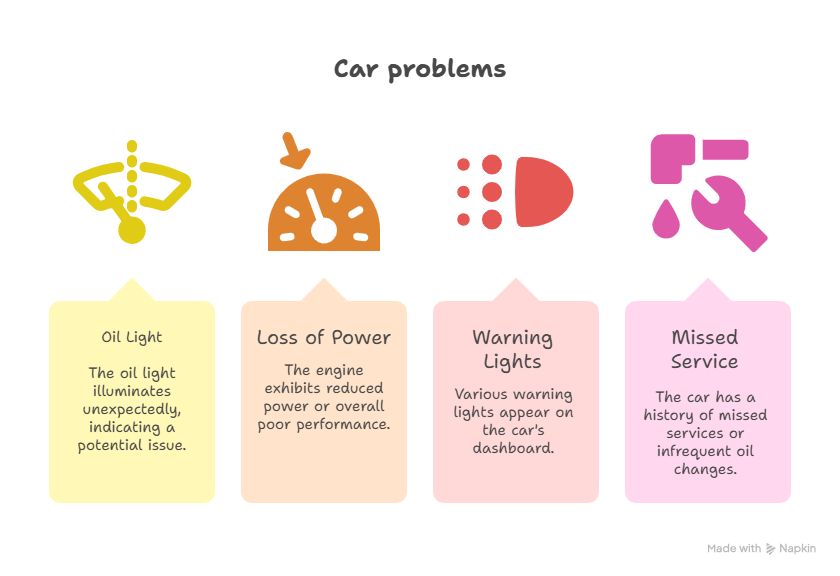
While wet belts are durable, they’re also vulnerable to oil contamination, sludge buildup, or poor-quality oil, which can cause them to degrade faster. Look out for these warning signs:
- Oil Light coming on unexpectedly
- Loss of power or poor engine performance
- Warning lights on the dashboard
- A missed service or infrequent oil changes in the vehicle's history
If your vehicle shows any of these symptoms, it’s best to get it booked in and checked by a qualified technician as soon as possible.
Why It's Important to Change Your Wet Belt on Time
A worn or failing wet belt can degrade without warning, causing catastrophic engine damage that could cost thousands to repair. Unlike a regular timing belt that’s easier to inspect and change, a wet belt is internal—so replacement is more involved and best left to trained professionals.
Changing the wet belt on time ensures:
- Optimal engine performance
- Prevention of costly repairs
- Longer engine lifespan
At Great Central Auto we would also recommend removing the sump and cleaning out the oil strainer, when the vehicle is having it wet belt changed, to prevent any further issues.
Need Advice? Talk to the Experts at Great Central Auto
If you're unsure whether your car has a wet belt—or if it's due for a replacement—we're here to help. Our experienced technicians at Great Central Auto can inspect your vehicle, check service intervals, and carry out wet belt replacements using manufacturer-approved parts and procedures.
Don’t leave it too late—a timely belt change could save your engine, your wallet, and your peace of mind.
Contact us today with your vehicle registration and mileage to check if your wet belt is due for replacement.